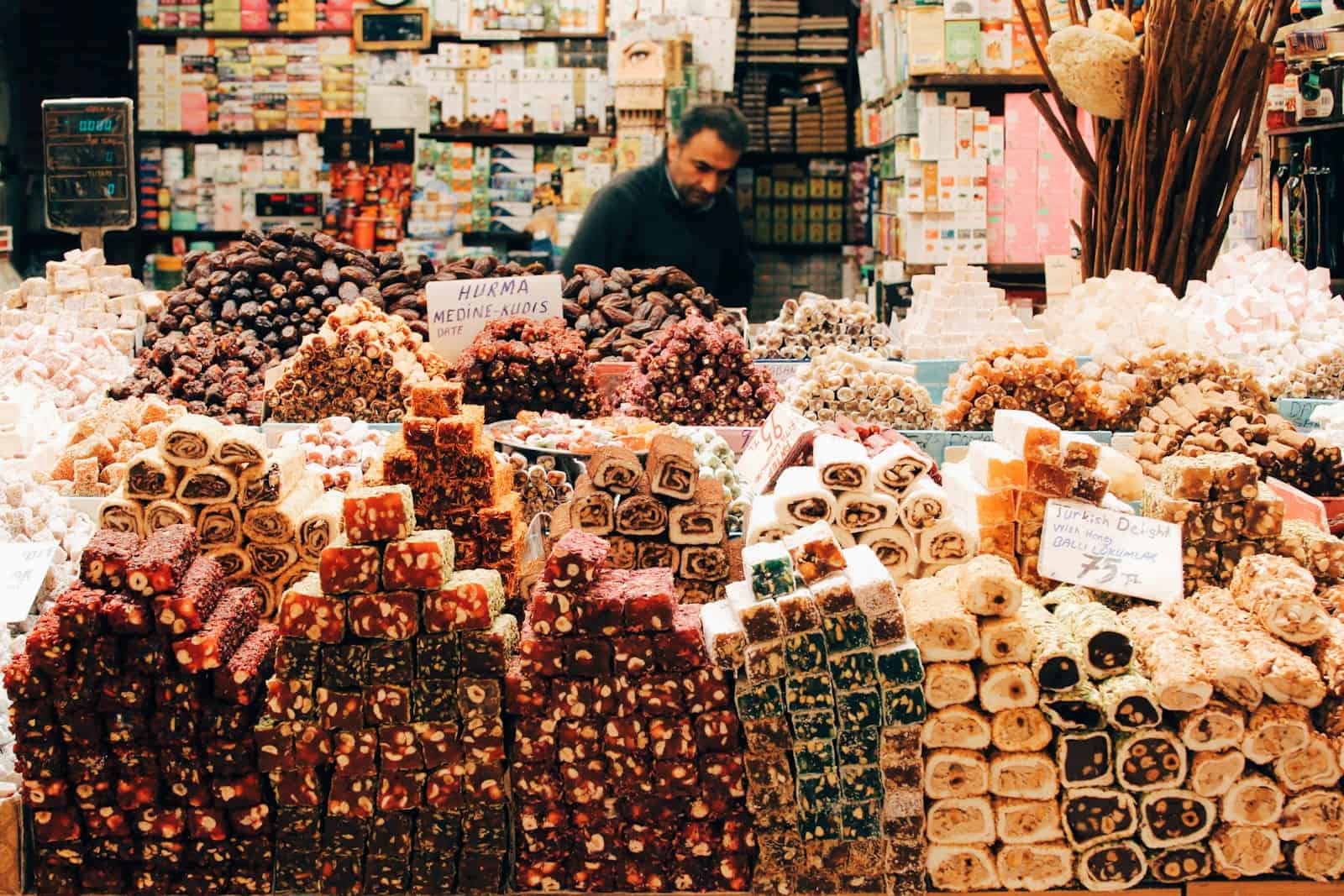
Before coming to Istanbul, I found myself researching something rather less romantic than where to eat or what to see: should I exchange money in my banking app before arriving, or leave it alone?
It’s a small question until you’re standing in front of an ATM, tired from travelling, trying to decide which button won’t cost you extra.
This guide to money in Istanbul covers cash, cards, ATM fees, currency exchange and bargaining. Getting comfortable with money here isn’t about chasing the perfect exchange rate. It’s about knowing enough to put your phone away and enjoy the city.
The short version
- Plan everyday spending in Turkish lira.
- Bring a payment card and a backup, plus access to a modest amount of cash.
- For a lira transaction, choose TRY rather than accepting a machine’s conversion into your home currency.
- Check ATM charges before confirming. Declining currency conversion does not remove a separate withdrawal fee.
- Treat bargaining as a conversation, not a contest.
Lira, euros or dollars?
Türkiye’s currency is the Turkish lira, shown as TRY or ₺. Make that your starting point for everyday purchases. Some tourist-facing businesses quote or accept euros and dollars, but that doesn’t mean you need to carry both. Currency overview.
If you’re bringing foreign cash, compare what you would receive when exchanging it directly into lira. Buying euros with dollars first, simply to exchange them again on arrival, creates another conversion to pay for.
For anything advertised in a foreign currency, establish the final amount and payment currency before agreeing. A euro-priced booking is different from a card terminal offering to convert a lira bill into euros.
Cash or card? Bring both.
Cards are widely accepted at hotels, restaurants and larger shops, but smaller businesses and individual vendors may need cash. Ask before ordering or buying rather than assuming. Istanbul payment guide.
My suggested approach is to use a card with favourable overseas terms for larger purchases and carry smaller lira notes for everyday moments. Keep a backup card separately. Your entire payment plan shouldn’t depend on one wallet or a charged phone.
Ask for the Turkish menu
My tip: ask for the Turkish menu and use your phone’s camera translator to read it. Use the prices printed there as your reference, rather than relying on a foreign-language menu or a verbal quote.
A waiter I spoke with in Istanbul told me that some restaurants charge more on their foreign-language menus. If the same dish and portion are listed at a higher price on the translated menu, treat that as a warning sign. You can choose to eat elsewhere rather than negotiate which price applies.
Translating the Turkish menu yourself can also help untangle confusing English dish descriptions. Keep a photo of the menu and its prices so you have a reference when the bill arrives.
The currency question on the screen
When a terminal or ATM offers to bill you in your home currency, it is offering dynamic currency conversion, or DCC. The familiar dollar or euro amount can feel reassuring, but the offered rate may include a markup.
For a purchase priced in lira, my default is to select TRY and leave conversion to the card provider, having checked that card’s fees beforehand. At an ATM, look for wording such as “without conversion” or “decline conversion.” Read carefully: you’re declining the conversion service, not necessarily cancelling the withdrawal.
Visa says the rate and additional charges should be disclosed and the choice must be yours. Visa’s explanation of DCC.
ATMs: look at the whole cost
Three different costs can sit behind one withdrawal: the ATM operator’s charge, your own card provider’s withdrawal fee, and currency conversion. A card’s “fee-free withdrawals” allowance does not automatically cover the machine owner’s fee. Revolut’s ATM guidance.
Choose a well-lit machine, preferably attached to an open bank branch. Read the fee screen before confirming; if the charge is unacceptable, cancel and compare another machine. Don’t rely on an old list promising that a particular bank is always free.
Withdraw what you reasonably need, not your whole holiday budget just to avoid another transaction. Check your card’s cash-withdrawal terms too, especially if it is a credit card.
Exchanging cash without the guesswork
Currency exchange offices are called döviz bürosu. Airport and hotel exchange services can be convenient, but their rates may be less favourable than options in town. If you need arrival cash, consider exchanging only enough for immediate expenses before comparing elsewhere. Istanbul exchange guide.
The most useful question isn’t “Do you charge commission?” It’s: “How many lira will I receive for this amount, after every charge?”
Compare that final figure at a couple of established offices. A “zero commission” sign doesn’t tell you how competitive the exchange rate is. Confirm the amount before handing over your money, count it at the counter and keep the receipt.
Bargaining without feeling awkward
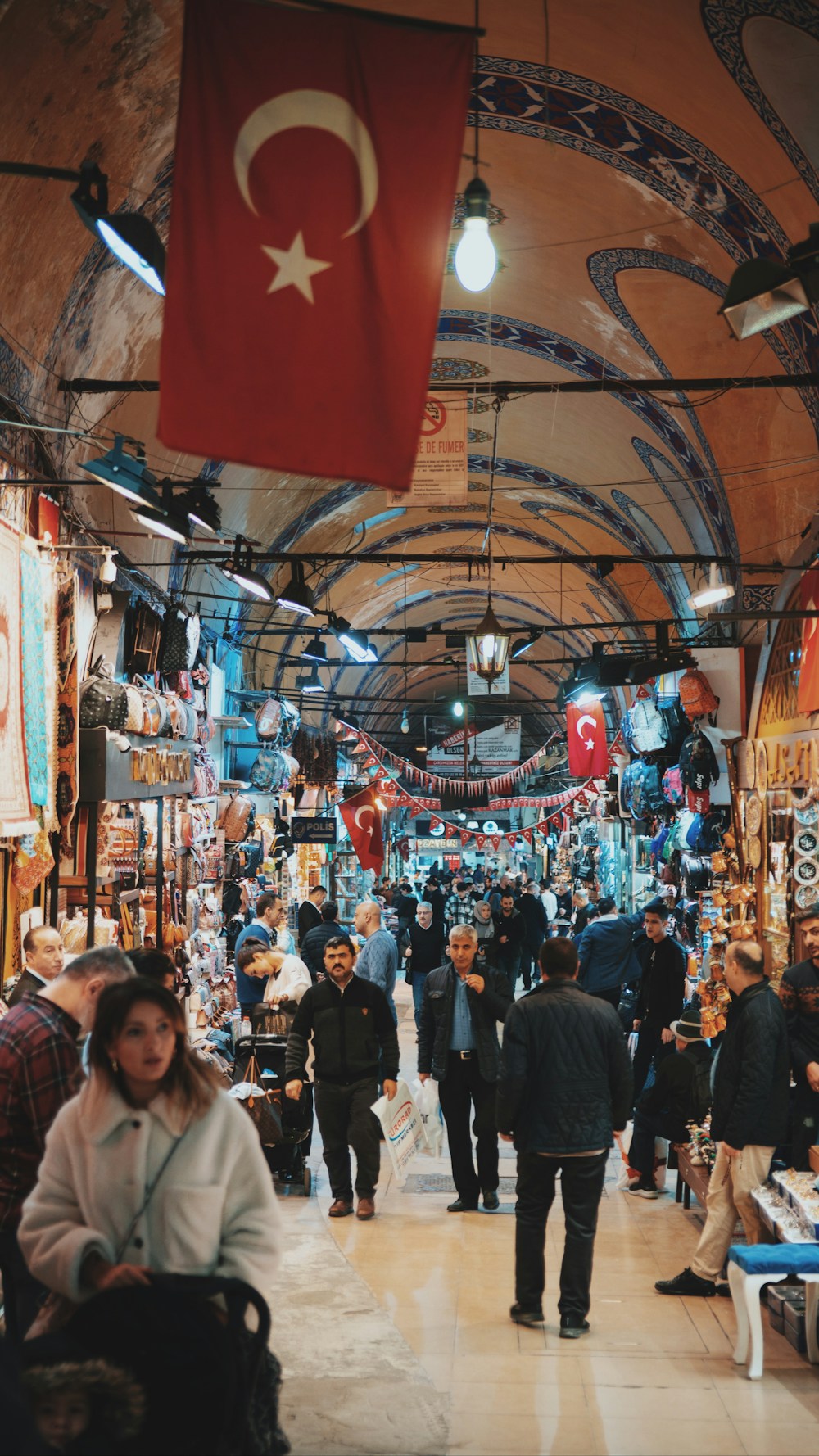
Negotiation is part of shopping in many bazaar shops, especially for souvenirs, textiles and other discretionary purchases. It is not an invitation to negotiate every coffee, restaurant bill or supermarket price. Some bazaar shops have fixed prices too. Guide to bargaining in Istanbul.
Start by browsing. Compare similar pieces and ask about materials and workmanship: two objects that look alike may not be equivalent.
When you find something you genuinely want, ask the price, confirm the currency and decide what it is worth to you. “Is there any flexibility on the price?” is a perfectly good opening. You don’t need a performance or an aggressive opening offer.
There is no universal rule that the correct price is half the first quote. A large discount also doesn’t prove you’ve found a bargain.
If the price remains above your budget, thank the seller and leave politely. You can appreciate someone’s work without buying it. If you agree on a purchase, confirm the total, payment method and exactly what is included, particularly if shipping is involved.
The aim is to go home with something you love at a price you feel comfortable paying, not to win an argument.
A note for fellow Revolut users
I have Revolut, and before this trip my question was whether to exchange money in the app first. The useful distinction is that advance exchange isn’t required simply to make a foreign-currency payment: Revolut can convert an available balance automatically when you pay, subject to its balance-selection rules and your account settings. Exchanging beforehand gives you a known lira balance and locks in the rate offered at that moment; it does not guarantee a better rate than you would receive later. How Revolut selects a currency.
Before deciding, check the exchange allowance, any applicable weekend charges and withdrawal limits for your own plan and account country. If your terms include a weekend exchange surcharge, converting a modest amount beforehand during the applicable weekday window may avoid that particular charge. Otherwise, automatic conversion can keep things simple. Either way, choose TRY for lira purchases rather than letting the terminal convert, and remember that an ATM can levy its own fee. Revolut’s overseas spending tips.
Leave room for the good part
Check your card’s terms before leaving, understand the currency prompts and keep a little cash available. After that, money doesn’t need to become the main activity of your trip.
There are better things to give your attention to: choosing something unfamiliar from a menu, watching the waterfront, or finding a small object you’ll still love once you’re home.
Planning your next trip? Explore our travel guides and food guides for more first-hand ideas.
Leave a Reply