Once in a while, someone asks us the same question over dinner: Sun Valley or Jackson Hole. Which one should we actually book?
It’s a fair question. On paper, the two get lumped together constantly. Both are old-money mountain towns in the Rockies, both show up on the same “best ski towns in America” lists, both have a reputation for quiet wealth rather than loud après-ski. But after having visited, skied, and gotten to know both of them, we can tell you with conviction: they are not the same trip. They’re not even the same kind of trip.
Here’s the honest comparison, not the brochure version.
The Skiing: Groomed vs. Gnarly
If you’re choosing based on terrain alone, the decision is almost made for you.
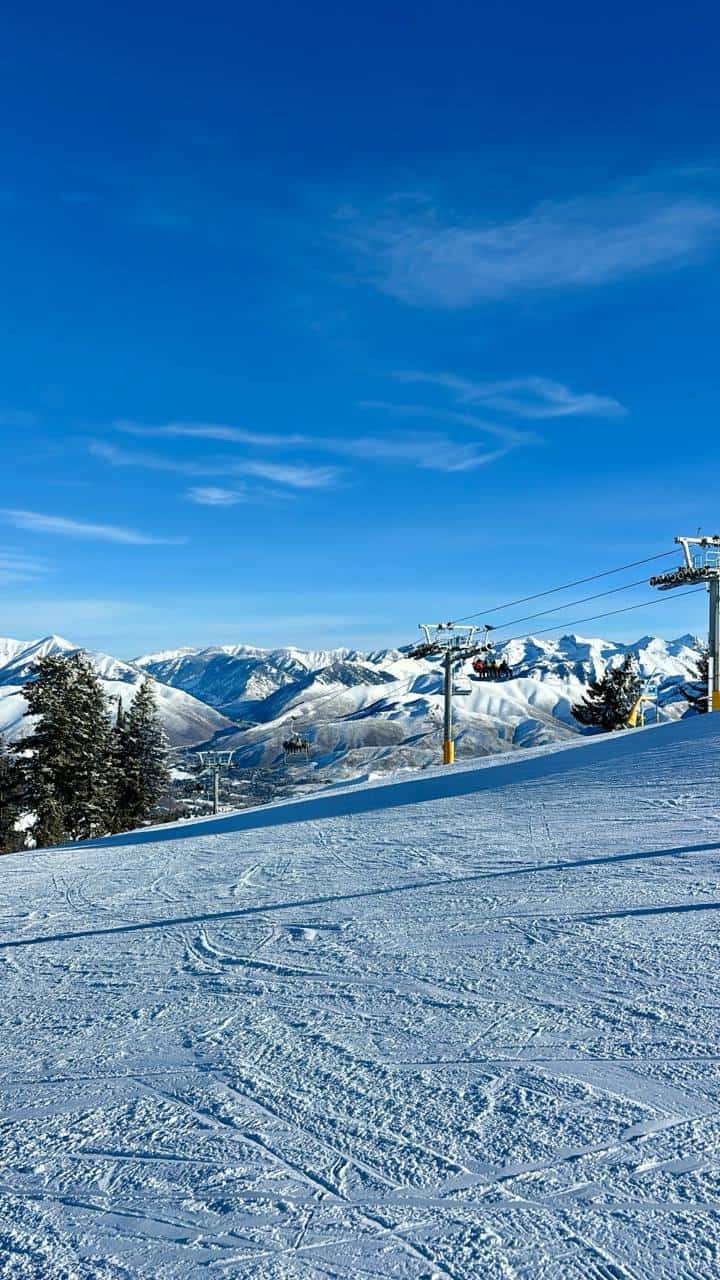
Bald Mountain (Baldy, to anyone who’s spent more than a day here) is built around long, consistent, beautifully groomed runs. Idaho’s snow totals don’t compete with its neighbors, so the resort leans hard on snowmaking, and the result is some of the most meticulously maintained corduroy you’ll ski anywhere in the country. It’s a mountain that rewards good technique over bravado. There’s real advanced terrain if you go looking for it, but Baldy was never built to be the scariest mountain in the Rockies. It was built to be the best-skied one.
Jackson Hole is the opposite instinct entirely. It’s one of the birthplaces of extreme skiing in America, and it still feels like it. Corbet’s Couloir didn’t earn its reputation by accident. The Tetons get dramatically more snow than the Sawtooths, and the terrain is steeper, rawer, and less forgiving. If your idea of a good ski day involves a little bit of fear, Jackson wins, decisively.
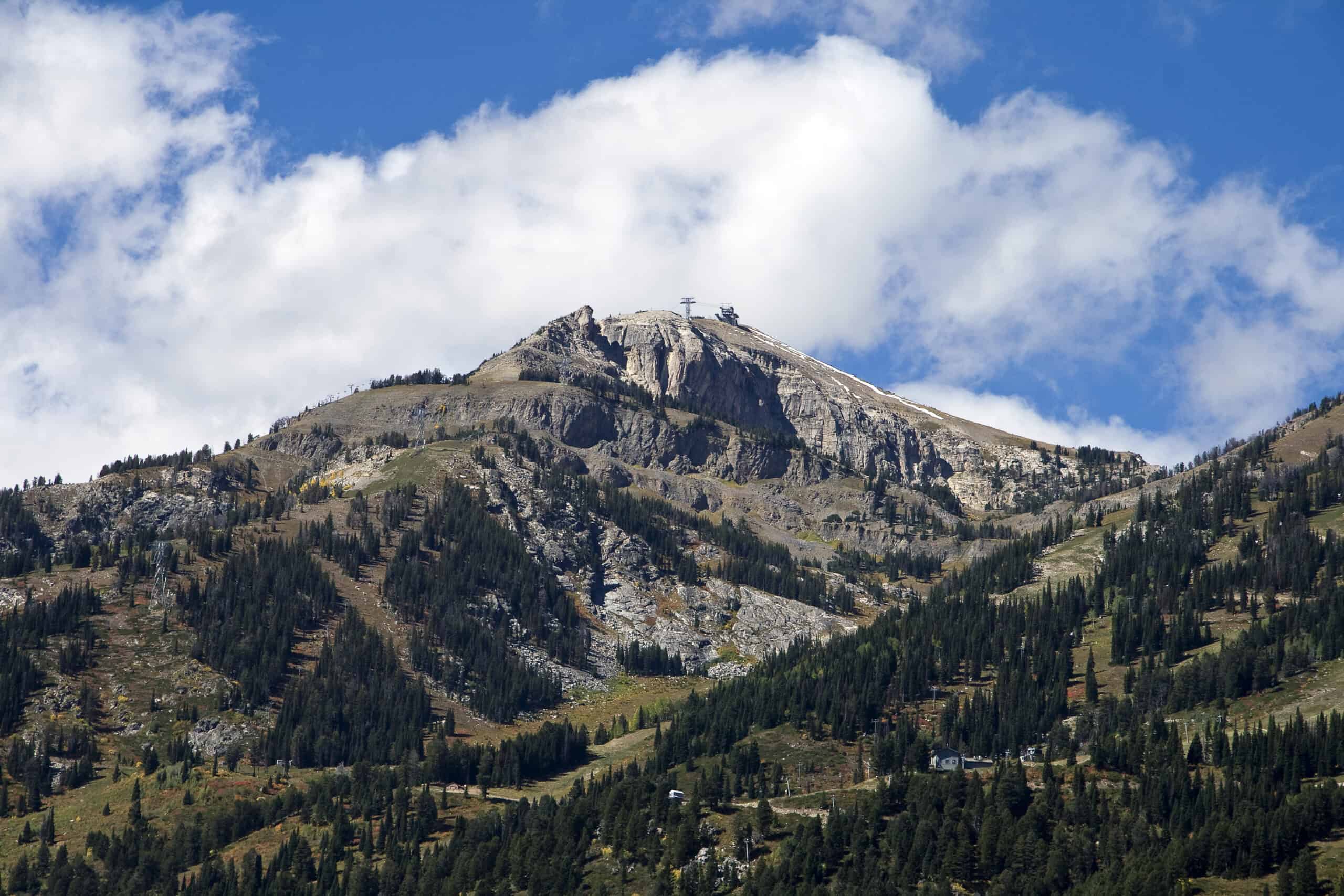
Our take: Sun Valley is the mountain you fall in love with on day three, once you’ve stopped fighting it. Jackson Hole is the mountain you brag about on day one.
The Town: Heritage vs. Wilderness
This is where the two towns really part ways.
Sun Valley, and Ketchum just two miles down the road where most people sleep and eat, runs on a quieter register. This is the birthplace of the world’s first modern ski chairlift (not a rope tow, not a J-bar, the actual chairlift as we know it today) and the place still carries that sense of history without being precious about it. Hemingway wrote here. The Sun Valley Lodge still feels like 1936 in the best way. Evenings tend toward a gallery walk or a quiet dinner over a loud bar scene. It’s old money that has nothing left to prove. If you want to explore the town properly, our complete Sun Valley guide covers it in full.
Jackson Hole leans into its wildness on purpose. It sits at the edge of Grand Teton National Park, a short drive from Yellowstone, and the whole town feels built around proximity to genuine wilderness rather than around the resort itself. It’s cowboy country with serious money quietly layered on top, and it pulls a bigger, broader crowd because of the parks alone, not just the skiing.
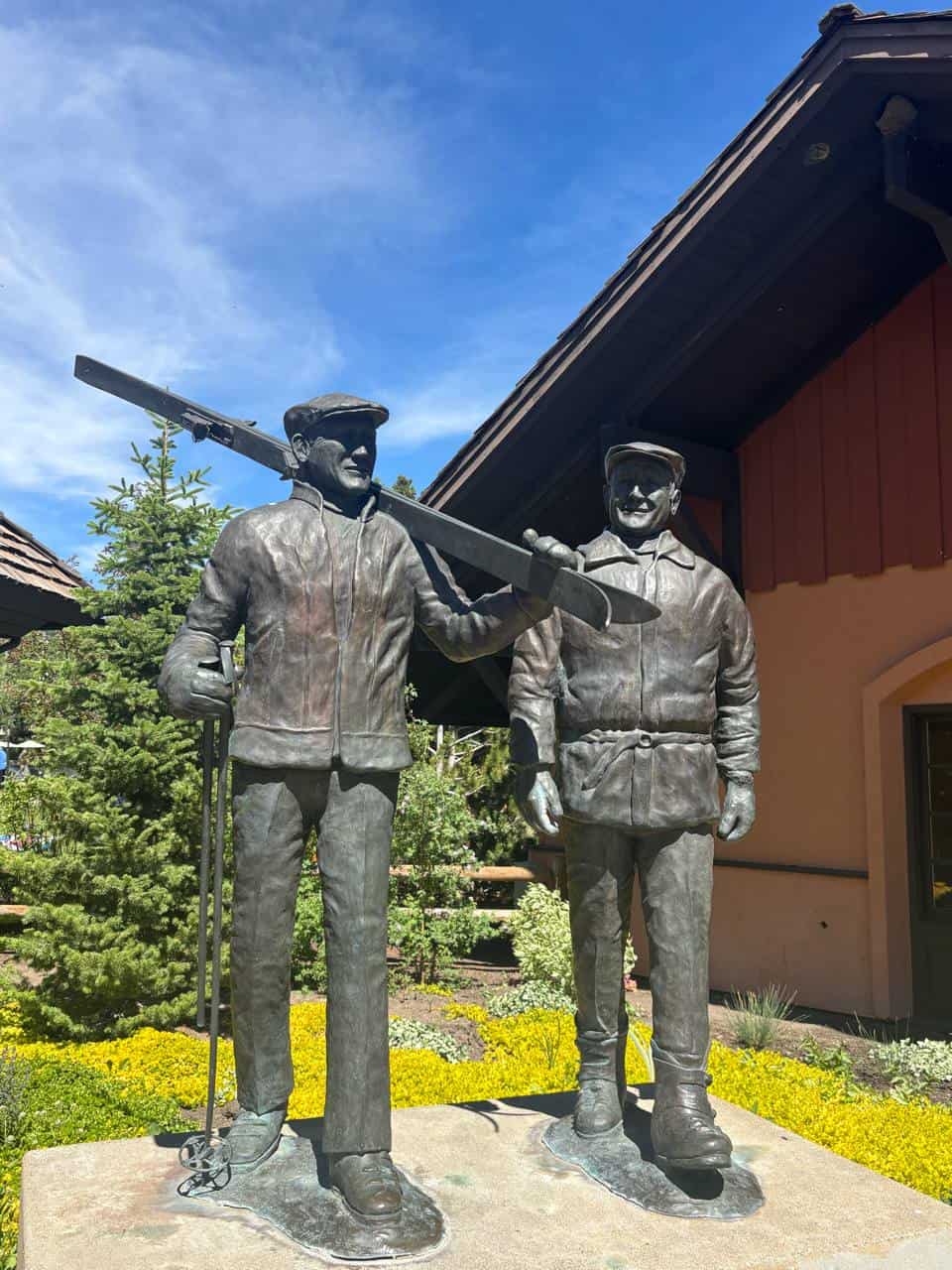
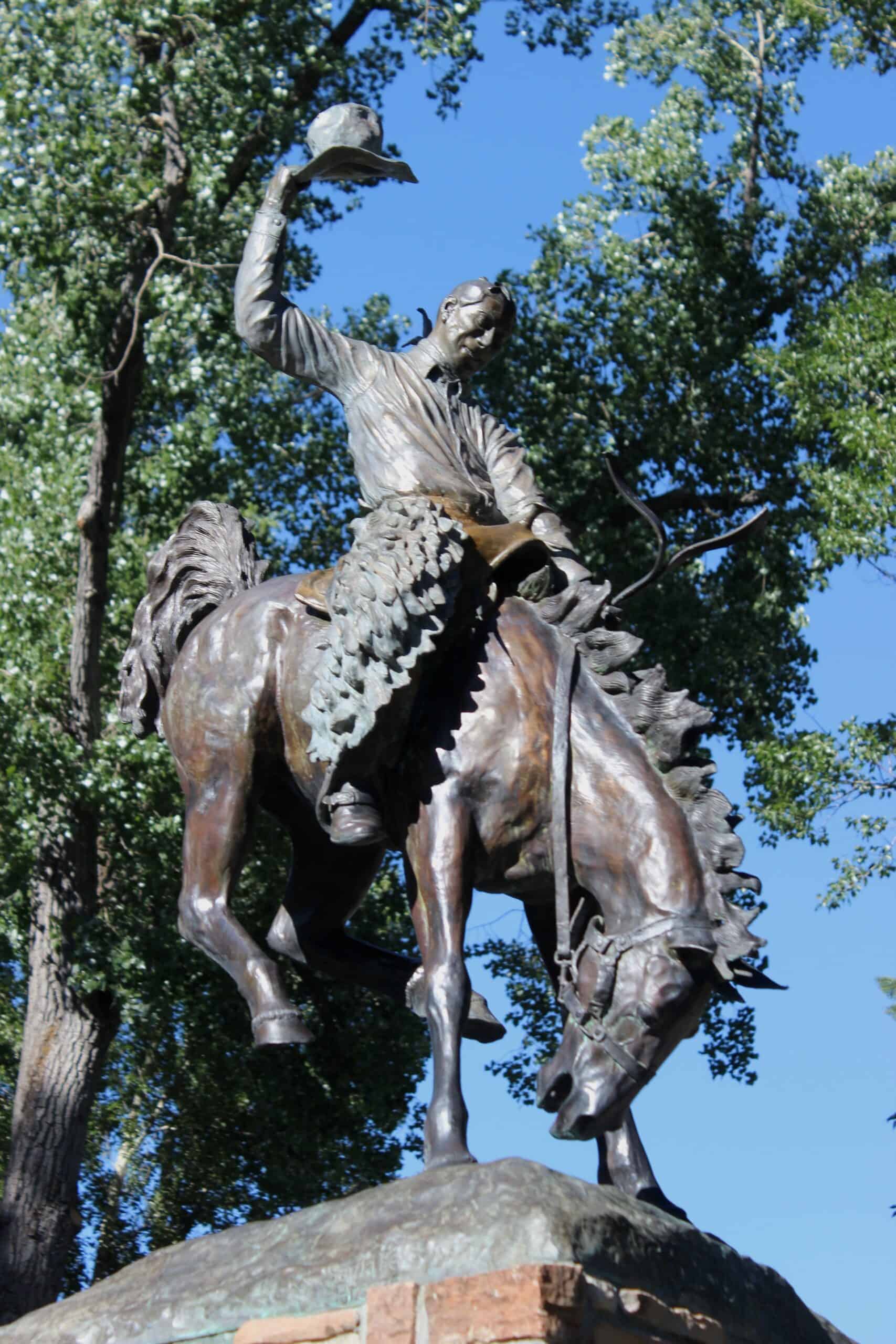
If you want a mountain town that feels like a private club you got lucky enough to be invited to, that’s Sun Valley. If you want a wilderness basecamp with world-class skiing attached, that’s Jackson.
Crowds and Access
Sun Valley is genuinely uncrowded, and that’s by design as much as geography: there’s no major interstate feeding into it, no national park next door pulling in a different kind of visitor. You’ll get actual lift lines at Jackson, especially on the tram, in a way you simply won’t on Baldy.
Access is the tradeoff. Jackson’s airport sits closer to the action and pulls more direct flights. Sun Valley has seasonal direct service from a handful of West Coast cities, but plenty of people still drive the roughly 2.5 hours up from Boise. If convenience matters more than exclusivity, that’s worth knowing before you book. For help planning the right timing, our month-by-month guide to Sun Valley is worth a look.
What It Actually Costs to Ski
This is the comparison nobody puts in the brochure, and it’s a real one.
Sun Valley’s day tickets start around $89 in the early and late season, with peak-day dynamic pricing climbing from there. Jackson Hole’s standard day-ticket rate runs $218-$230 at peak, with early/late-season tickets occasionally dropping as low as $110. Even at the cheapest end, Jackson tends to run noticeably higher than Sun Valley’s equivalent, which tracks with everything else here: Jackson is pricing for a mountain in higher demand, with bigger crowds and a bigger reputation to match.
If lift-ticket cost is a real factor in your decision, Sun Valley is the more forgiving choice over the same length stay.
Lodge Food: The Underrated Difference
Nobody talks about this enough, and they should: what you eat between runs shapes the whole day as much as the snow does.
Jackson Hole’s mountain dining is mostly built around quick, grab-and-go counters, with one genuine exception that’s become a pilgrimage in its own right: Corbet’s Cabin, the tiny waffle shack at 10,450 feet at the top of the tram. It’s bare-bones (no running water, a handful of tables, a single waffle iron) and it’s beloved precisely because of that, not despite it. Beyond Corbet’s, the on-mountain options lean toward cafeteria-style lunches and one table-service bistro at the gondola top. It’s food in service of the experience, not really the other way around.
Sun Valley, on the other hand, takes its mountain food seriously in a way that genuinely surprises people. Plenty of resorts coast on a captive audience: you’re already up there, you’re not leaving, so why bother. Sun Valley clearly never got that memo. Every cabin on the mountain, from the soup-and-salad spots to the burger-and-pizza counters, is doing real, honest food, not just food that exists.
And then there’s the Roundhouse, which is on an entirely different level: the gold medalist of mountain dining, full stop, and widely considered America’s original on-mountain dining experience. It’s been sitting at the top since 1939, and the octagonal shape isn’t just a design flourish. It’s a direct nod to a railroad roundhouse, a fitting tribute given that Sun Valley itself started as a Union Pacific Railroad project. The place even appeared on screen in the 1941 film Sun Valley Serenade. Fireplace inside, history in every direction, and it’s an experience as much as it is a meal. Take the gondola up, eat, and ski or gondola back down. Or in summer, hike up for it and make a full afternoon of it. Either way, book ahead if you’re coming during anything close to a holiday: tables go fast.
And in Summer?
Both towns make a real case for a non-winter visit, which most first-time visitors underestimate.
Sun Valley summers are about the Sawtooth and Pioneer ranges, the Big Wood River, and a music festival that turns the whole valley into an outdoor concert hall for a few weeks. Jackson’s summer is bigger and busier by default: Grand Teton and Yellowstone alone guarantee that. But it also means you’re sharing the experience with a lot more people doing the same national-park pilgrimage.
If you want solitude in July, Sun Valley still has it. Jackson, less so.
So, Which One?
If we’re being honest: book Sun Valley if you want to slow down, ski beautifully groomed terrain without a fight for parking, and spend your evenings somewhere quiet enough to hear yourself think. Book Jackson Hole if you want the steepest, most legitimate terrain in the Lower 48 and don’t mind sharing it with the rest of the world that’s figured out the same thing.
We’re admittedly biased (we live in one of these towns, not the other). But that’s exactly why we’d rather give you the real version than the version that pretends they’re interchangeable. They’re not. Pick the one that matches the trip you actually want, not the one with the bigger name. And if you’ve already decided on Sun Valley, our 3-5 day itinerary is a good place to start planning.