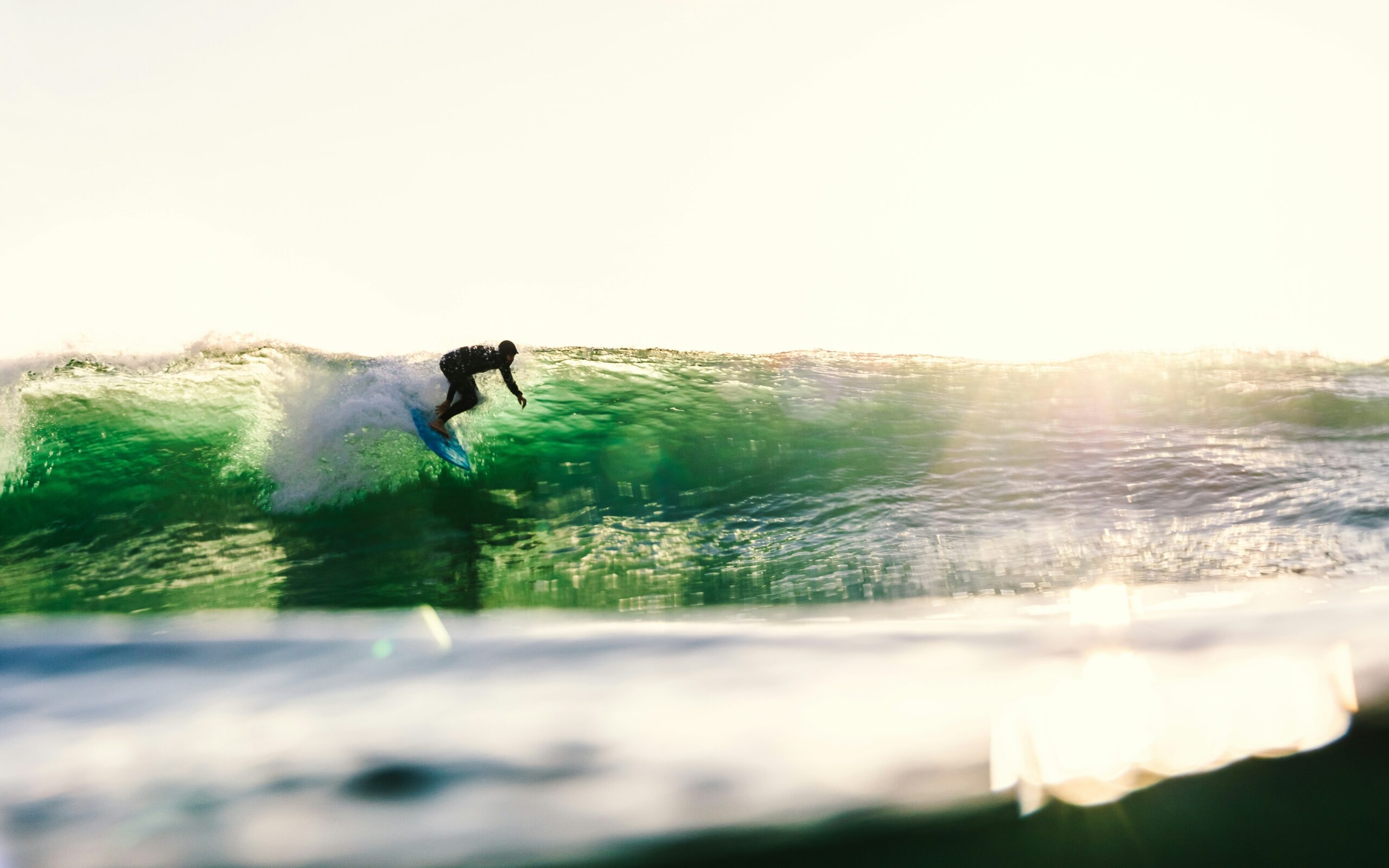
I’ve surfed a lot of spots. Not in the way that competitive surfers rack up stamps on a passport, but in the way that someone who loves the water makes a point of getting in wherever he ends up. San Clemente is where that obsession found a home. This stretch of coastline between Dana Point and Oceanside is, without exaggeration, one of the most surf-rich zones in the world — not just in terms of wave quality, but in terms of the culture, the history, and the fact that on any given morning, you’re sharing the lineup with people who’ve been surfing these breaks for 30 or 40 years.
This is my honest guide to the San Clemente surf spots. No hype, no fluff — just what the waves are actually like, who they’re for, and what you need to know before you paddle out.
Why San Clemente Is a Surf Town That Earned It
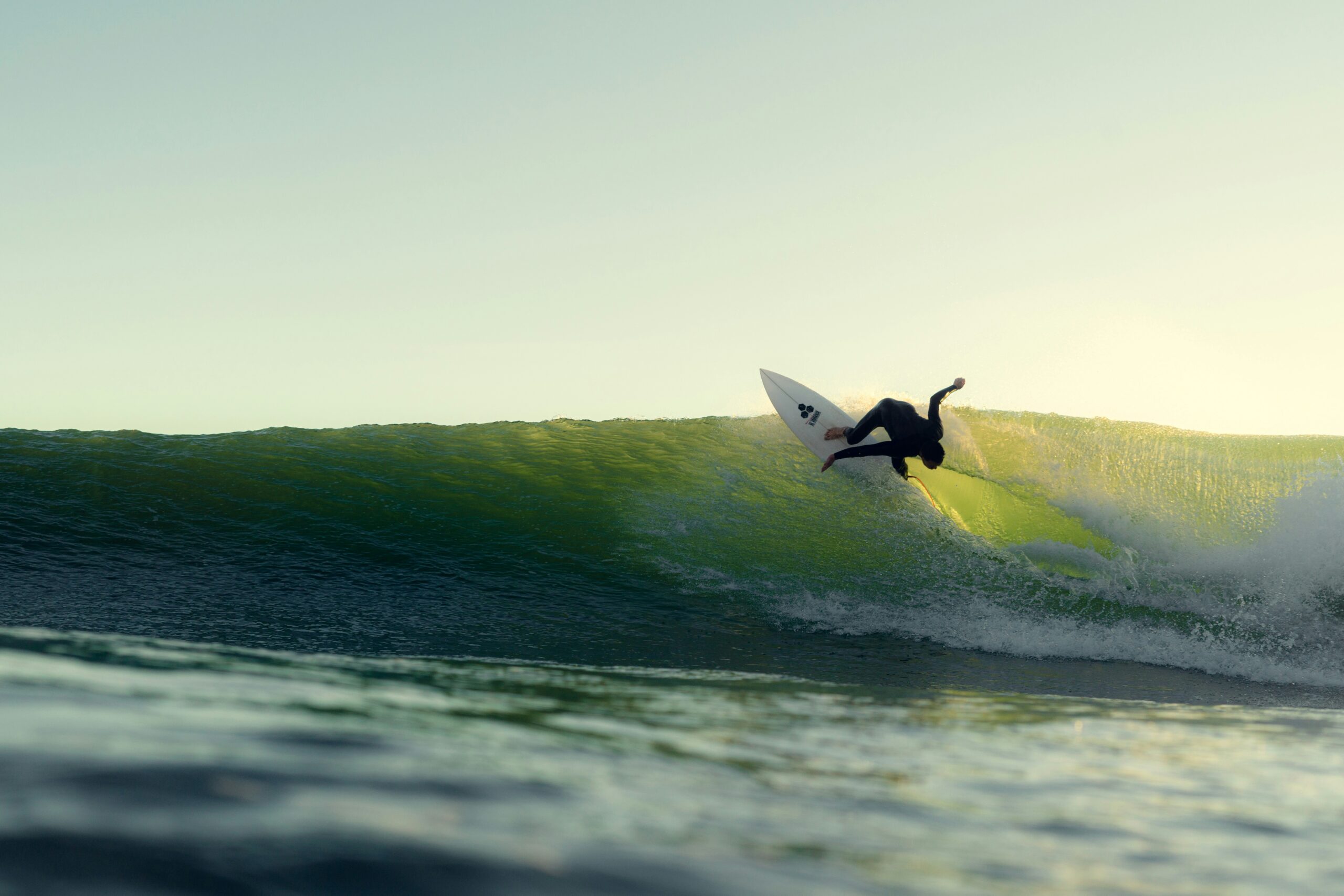
San Clemente isn’t surf-famous by accident. The geography is ideal — a series of points, reefs, and beach breaks that catch swells from multiple directions. The town has been home base for some of the most influential surfers and shapers in the history of the sport. Trestles, just south of the city, has hosted World Surf League Championship Tour events and is widely considered one of the best waves in the United States. That’s not marketing copy — that’s just accurate.
When I’m here, I’m thinking about the water constantly. Checking the swell reports, looking at the wind, deciding whether to get up early or sleep in. The surf here rewards attention. It changes daily, weekly, seasonally — and knowing its rhythms is part of what makes surfing this stretch of coast so satisfying. For more on exploring the wider region, see our Orange County travel guide.
Lower Trestles (Lowers)
Skill level: Intermediate to advanced
Best season: Late summer through fall (south swells), winter (northwest swells)
Vibe: High-performance, competitive, world-class
Lower Trestles is the crown jewel. If you’ve watched surfing on TV — whether it’s the WSL Championship Tour, Bells Beach countdowns, or highlight reels — there’s a good chance you’ve seen Lowers. It’s that kind of wave.
The break sits just below the San Clemente border inside San Onofre State Beach, accessed by a trail through San Onofre that requires a day-use fee or an annual parks pass. The walk is about a mile each way — which keeps the lineup slightly more curated than it would be otherwise. Still, on a good day, Lowers is busy. Very busy.
What makes it special is the combination of factors that all come together consistently: a sand-and-cobblestone bottom that creates a predictable wall, exposure to southern hemisphere swells that produce long, high-quality lines, and a beach configuration that channels energy into the break with minimal loss. The right side (looking at the ocean) is particularly powerful — it’s the same right-hand wall you’ve seen in comp footage. The left peels nicely too, but the right is where the crowd wants to be.
My honest take: Don’t paddle out here on your first session in San Clemente. The crowd is serious and the surfing talent level is genuinely high. Watch from the beach first. Understand where people are taking off, where the priority is, and what the wave is doing that day. Then make a decision.
Getting there: Park at San Onofre State Beach ($15 day use) and walk the trail south.
Upper Trestles (Uppers)
Skill level: All levels
Best season: Year-round, more forgiving in smaller swells
Vibe: More relaxed than Lowers, still quality
Uppers is Lowers’ older sibling — a bit more forgiving, a bit less scrutinized. The wave here is typically less powerful and more user-friendly, which makes it a better entry point if you want to experience the Trestles area without the pressure of the main lineup.
The break at Uppers works well in smaller south swells when Lowers is crowded. It’s a genuinely fun wave to cruise on a longboard or a mid-length. I’ve had some of my most enjoyable sessions here — not because the waves were massive, but because the vibe was easy and the wave kept giving.
It’s also worth noting that the trail to Trestles passes Uppers first, so you can assess conditions before committing to the Lowers crowd.
T-Street (Trafalgar Street Beach)
Skill level: Beginner to intermediate
Best season: Year-round, consistent
Vibe: Local, friendly, community surf break
T-Street is where I’d send someone who’s still learning. Not because the wave is bad — it’s genuinely good — but because the break is forgiving, the crowd is mixed, and there’s a real community feel here that makes it easier to navigate as someone building their skills.
The peak breaks both left and right, which means there’s room for multiple surfers and multiple approaches. On smaller days it’s a cruiser wave — perfect for longboards and retro shapes. When a solid south swell hits, it can get punchy and fast, which is where it gets more interesting for experienced surfers.
Parking: Free street parking on Trafalgar and nearby streets. Mornings before 8am are your best bet to find a spot.
What I love about T-Street: It’s honest. You’re not performing for anyone. You paddle out, catch waves, and surf. The regulars here are territorial in the way that all surf spots are, but respectful if you show you know the etiquette.
Church
Skill level: Intermediate to advanced
Best season: Summer (south swells), fall
Vibe: Less crowded than Trestles, more regional knowledge required
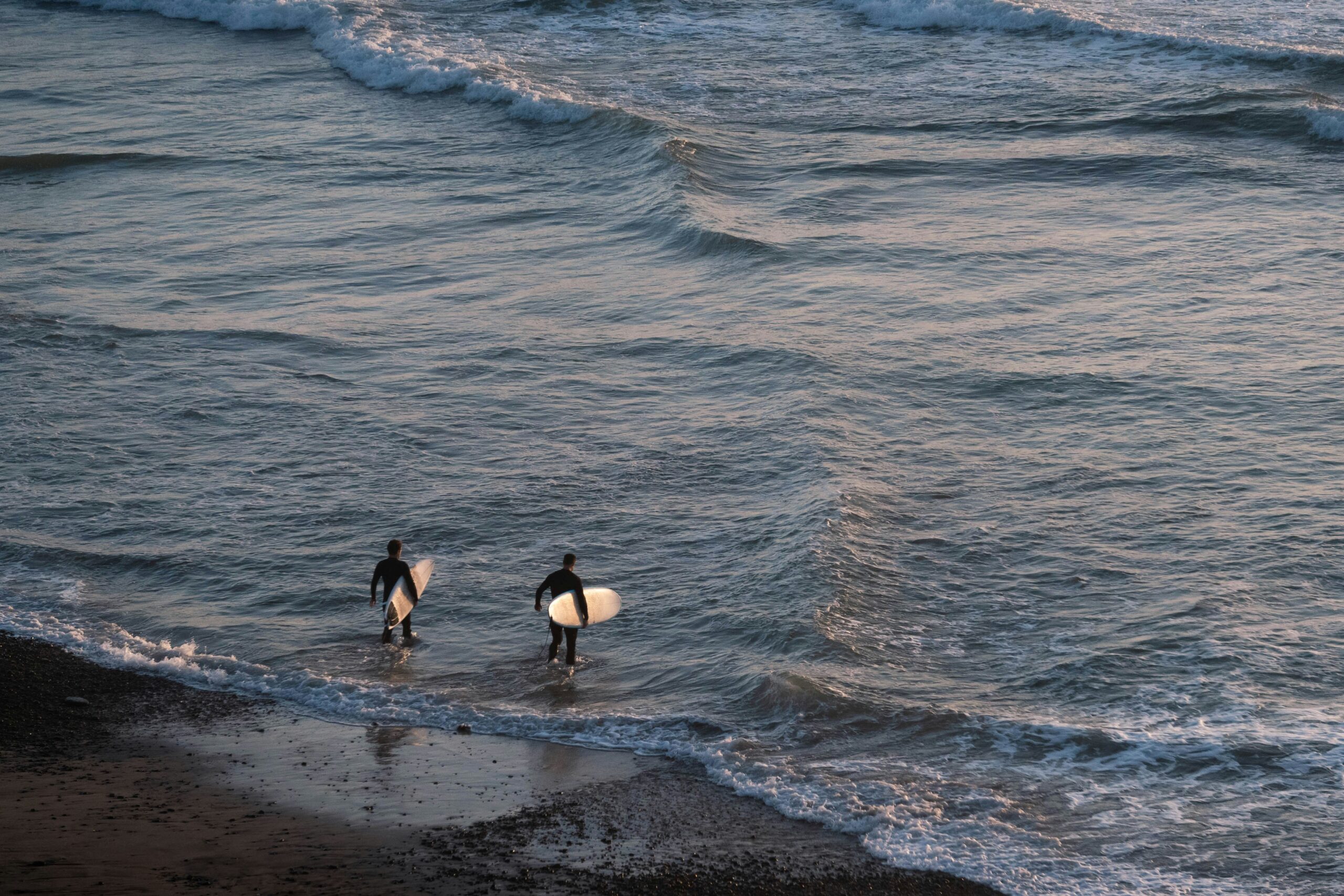
Church is located near the San Clemente train station, and getting there requires either a hike down from the bluffs or access via the beach trail. The extra effort keeps the crowd thin.
The break here is more beach-break in character — peaks move around depending on the sandbar configuration, which shifts constantly. On the right day, you can find yourself alone on a fun, fast-breaking wave that no one else seems to be paying attention to. Those are the days worth chasing.
My take: Church rewards people who pay attention to the conditions and show up without expectations. If you go hoping it’s going to be as good as Trestles, you might be disappointed. If you go hoping to find a less crowded wave that can be really fun when it’s working, you’ll often be happy.
Cottons
Skill level: Intermediate to advanced
Best season: Fall through winter (northwest swells)
Vibe: Remote, rawer, not for beginners
Cottons is south of Trestles, deeper into San Onofre State Beach, and it requires a longer walk to reach. The additional distance is a feature, not a bug — it keeps the crowd thinner and the atmosphere more isolated.
This is a point break that works best on northwest swells. When it’s on, it’s really on — long, walling right-handers that give you time to actually surf the wave, not just react to it. The slower pace compared to the more explosive Lowers makes it a different experience, and one worth seeking out when the swell direction is right.
What to know: The walk is real. Pack water, sunscreen, and don’t bring gear you can’t comfortably carry. The reward is worth it on the right day.
The WSL Connection
It’s worth spending a moment on why Trestles specifically has become a fixture on the World Surf League Championship Tour. The WSL contest schedule typically puts Lowers on the tour in September — which also happens to be one of the best months for swells in Southern California. The quality of surfing you witness during those events is legitimately jaw-dropping.
If you’re in San Clemente when the WSL is running an event, make the walk to Lowers and watch from the beach. There’s no ticket required to stand on the sand and watch the best surfers in the world do their thing. If you can time a visit around the event, do it.
Best Seasons for Surfing San Clemente
Summer (June–August): South swells dominate. Lowers and T-Street come alive. The water warms up (relatively — this is still SoCal ocean temp, not Hawaii). Crowds are at their peak.
Fall (September–November): The gold standard. South swells are still running, northwest swells start building, the crowds thin as kids go back to school, and the weather is perfect. This is when I want to be here.
Winter (December–February): Northwest swells pulse through regularly. Cottons starts working. The crowd is thinnest, the mornings are colder, but there are days in winter that remind you why you surf.
Spring (March–May): Transitional. Can be excellent or mediocre. June gloom starts creeping in by late spring. But there are magical spring mornings here that feel like a gift.
Surf Lessons and Rentals in San Clemente
If you’re new to surfing or just want a guided experience, there are local instructors who know these breaks inside and out. Don’t rent gear from a random shop without asking where they suggest you surf — local knowledge matters enormously. Ask about current conditions and which spot makes sense for your skill level before you go anywhere.
For gear, a 3/2mm fullsuit is the standard year-round call in San Clemente. In winter you might want a 4/3mm, especially for early morning sessions. Booties and a hood are optional but appreciated in January and February.
Surf Etiquette: The Short Version
San Clemente surfers take their breaks seriously. Here’s the minimum you need to know before you paddle out:
- Right of way goes to the surfer closest to the peak. Don’t drop in on someone already riding.
- Don’t paddle through the lineup. Paddle around, or duck through white water.
- Hold onto your board. A loose board is a weapon.
- Don’t snake. Repeatedly paddling around someone to get priority is a fast way to make enemies.
- Read the lineup before you paddle out. Spend 10 minutes watching. It will tell you everything you need to know about that session.
Frequently Asked Questions
What is the best surf spot in San Clemente for beginners?
T-Street is the most beginner-friendly break in San Clemente. It’s consistent, has a forgiving wave on smaller days, and has a community feel. Upper Trestles is also a solid option. Avoid Lowers until you’re comfortable in crowded, performance-oriented lineups.
Is Trestles crowded?
Yes, especially on good days. Lower Trestles is one of the most consistently surfed breaks in California. Go early, be respectful, and don’t expect to have it to yourself.
Do you need a pass to surf Trestles?
You need to pay the San Onofre State Beach day-use fee ($15) or have an annual parks pass. The walk in is free once you’re parked.
What wetsuit do I need for San Clemente?
A 3/2mm fullsuit is the standard year-round. In winter you might want a 4/3mm, especially for early morning sessions. Booties and a hood are optional but appreciated in January and February.
When is the WSL event at Trestles?
The Championship Tour event at Lowers typically runs in September. Check the WSL website for current schedule details.
Can I rent surfboards in San Clemente?
Yes. There are several surf shops in town that offer rentals. Ask locals or your accommodation for current recommendations.
San Clemente sits at the southern end of Orange County — see our full Orange County travel and food guide for more on the region.